How to Remortgage for Home Improvements in Gloucestershire: a Practical Guide
Practical, step-by-step guidance for Gloucestershire homeowners who want to release equity for extensions, loft conversions or refurbishments—what lenders look for, the paperwork you’ll need, and how a whole‑of‑market broker can place trickier cases.
Why remortgaging can be the right route for home improvements
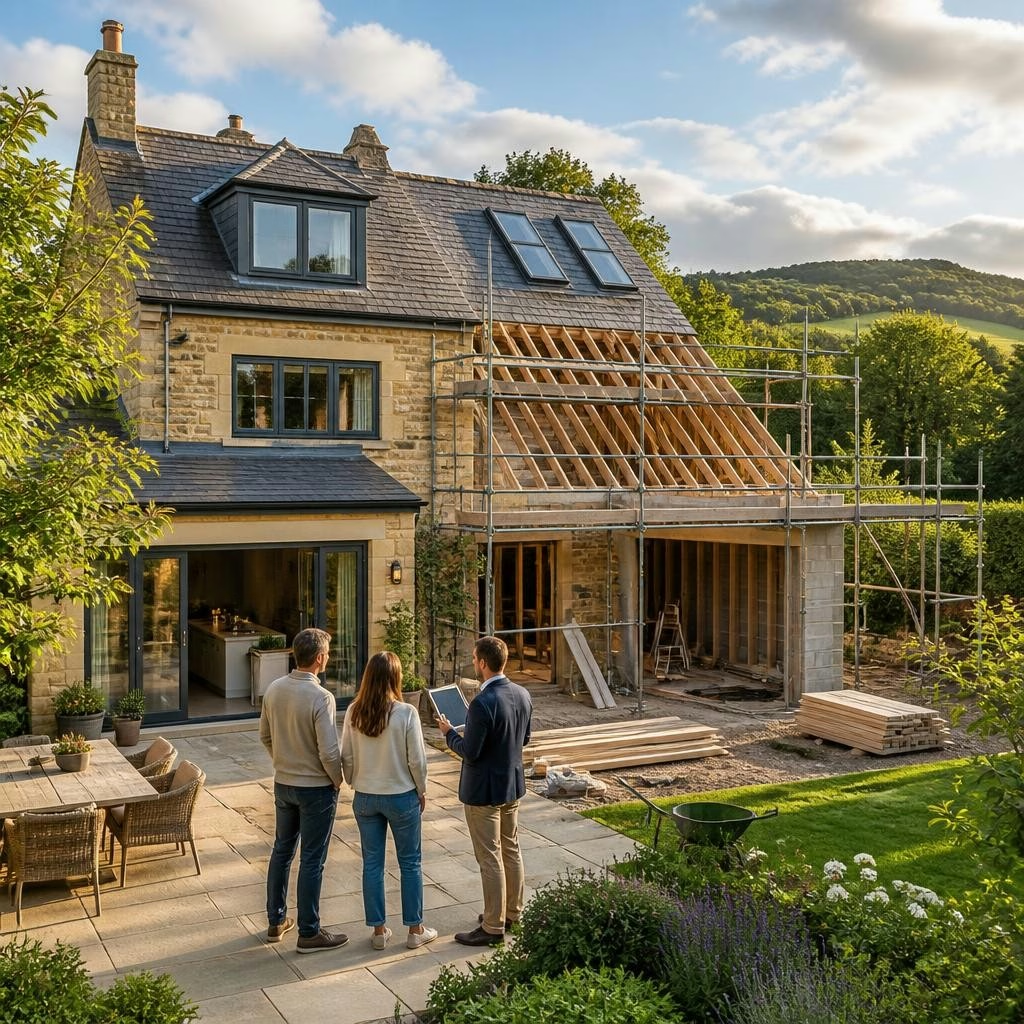
For larger projects such as extensions, loft conversions or substantial refurbishments, remortgaging to release equity is often more cost‑effective than unsecured borrowing. Remortgaging lets you borrow against the value of your property, which can produce lower interest rates and longer repayment terms than many personal loans. Brick2Brick Mortgage Solutions specialises in remortgages for home improvements and works across Gloucestershire from its base in Cheltenham, so homeowners here can get tailored advice on whether remortgaging suits their project and financial situation.
How lenders assess proposed works
Lenders focus on the likely effect of the works on the property’s value and the quality of the proposals. They will want to understand the scope of the project, whether planning permission or building regulations approval is required, and whether professional drawings or cost plans exist. Some lenders will assess the loan against the current value and require evidence that funds will be used as stated; others will consider projected post‑work value where the uplift is credible and documented. The more detailed and realistic your proposals and costings, the more lenders will be willing to consider the application.
Documentation you should prepare
Gathering the right paperwork before you approach lenders or a broker speeds the process. Typical documents include: itemised builder’s quotes or contractor estimates, any planning permission or building control approvals, architects’ drawings if applicable, proof of income (pay slips, accounts for the self‑employed), recent mortgage statements, and ID/address verification. If you already have a survey or valuation that demonstrates current value, include that too. Presenting clear, up‑to‑date documentation helps underwriters assess both affordability and the expected value uplift from the works.
Valuations, surveys and staged payments
Most remortgage lenders want a valuation or survey. For projects that are completed in stages, some lenders will release funds in tranches based on a monitoring surveyor’s inspections; others may offer the lump sum up front against the existing value. If a lender is relying on post‑work value, they may ask for independent evidence of the expected uplift. Be prepared for a valuer to review both the current condition and the planned finished standard. Working with a broker can help you identify lenders whose valuation approach best matches your project timeline.
Dealing with tricky properties and challenging circumstances
Certain properties or borrower situations can make remortgaging more complex: unusual construction, non‑standard titles, irregular incomes, or prior credit issues can all limit lender options. Brick2Brick’s profile is whole‑of‑market, and reviews repeatedly highlight success placing cases other lenders avoided. For example, a recent client reported that despite many lenders being reluctant to fund building work on their house, the broker identified a suitable lender and secured a competitive rate. If you think your property or finances might be ‘quirky’, engage a broker early so they can assess market options and advise on how to present your case.
A practical step‑by‑step plan for Gloucestershire homeowners
1) Define the project and obtain at least one detailed quote from a reputable builder. 2) Check whether planning permission or building‑control approval is required and start applications early. 3) Estimate the likely value uplift and run basic affordability numbers. 4) Collate supporting documents (ID, income evidence, mortgage statements, quotes). 5) Speak with a whole‑of‑market broker to identify lenders suited to your project and circumstances. 6) Submit the application and arrange valuations or monitoring surveys as required. 7) Agree a funds release timetable with your builder and lender. Taking these steps in order reduces surprises and keeps the project moving.
What to expect when working with a broker in Cheltenham
A good broker will explain options clearly, remain responsive during delays, and proactively search the market for lenders willing to support your particular project. Clients of Brick2Brick consistently cite clear communication, availability for questions and hands‑on support through complex cases. Based in Star Lodge, Cheltenham, Brick2Brick serves Gloucestershire and surrounding counties and can help you navigate lender criteria, present the right paperwork, and manage valuations and staged payments. If your project looks feasible but lenders seem hesitant, speaking to a whole‑of‑market broker is a practical next step to explore realistic financing routes.
Customer review


Article by
Brick2Brick Cheltenham
We are an independent whole of market mortgage broker specialising in purchases and remortgages of residential and buy to let. We deal with all types of quirky criteria and have helped people get mortgages who never thought they could.